
Lebanon produces some of the most creative hospitality concepts in the region, and exports them: many of the Gulf’s best-known restaurant groups were founded in Beirut. Yet inside the country, operations still run on a mix of experience, improvisation and WhatsApp. That works at one branch. It frays at three and breaks at eight.
This playbook comes from what we see daily as a team based in Beirut: the specific pressures Lebanese operators face, and the operating habits that keep standards consistent across branches without adding head count.
The Lebanese operating reality
Before the playbook, it’s worth naming the constraints honestly, because the system has to work within them:
- Lean management. One operations manager often oversees five or more outlets, in addition to purchasing, HR and marketing.
- Infrastructure variability. Power cuts and generator schedules mean cold-chain monitoring is a daily risk, not an occasional one.
- Cash and currency complexity. Dual-currency pricing and cash-heavy operations add reconciliation work at every close.
- Talent mobility. Experienced staff emigrate or move to the Gulf, taking the unwritten standard with them.
- Coordination by chat. Announcements, schedules, maintenance photos and complaints all land in the same WhatsApp groups.
- Regional ambition. Many groups are planning or running a first Gulf branch, and need a playbook they can export.
None of this is a reason to delay structure. It’s the reason structure matters more here than in a calmer market.
Playbook
1. Write the standard once, in the words your team uses
The first job is to get the standard out of your best manager’s head and into a template: opening, closing, food-safety logs, cleaning, cash handling, customer complaints. Keep it in the language your team actually reads, which in Lebanon often means a mix of Arabic, English and French labels.
Store it in a shared operations library rather than a folder on someone’s laptop, so a new branch starts from the current version, not a copy of a copy. If you’re starting from scratch, our opening and closing checklist template is a solid base, and the AI checklist creator can structure your existing documents in minutes.
2. Make cold-chain checks proof-based and frequent
Because power is unreliable, the fridge log is your highest-risk record. Treat it as such:
- Schedule temperature checks every four hours through a recurring digital task, with a photo of the display.
- Add a specific check after any generator switchover.
- Make an out-of-range reading trigger a corrective action immediately, logged in the logbook.
Records are time-stamped and searchable for a year, which is what you want when the Ministry of Public Health or a franchise auditor asks.
3. Assign by role and shift, not by branch chat
Replace “someone open the Hamra branch properly” with tasks that land on the opener’s phone at the right time. Each role sees only its own work. The branch manager sees the branch. The operations manager sees everything. Completion, timing and misses are visible without a single message.
4. Separate communication from coordination
WhatsApp is excellent for conversation and terrible for operations. Move the structured parts out:
- Announcements with read receipts, targeted by role and branch (communication manager).
- Maintenance, supply and transfer requests with an owner and a status (requests, supply requests).
- Shift swaps and schedules in the scheduling tool, not the group chat.
Leave WhatsApp for what it’s good at. The result is fewer messages and far fewer things lost in the scroll.
5. Reconcile the rota and the reality
Building the schedule in Excel and checking attendance by asking the manager costs hours a week across a group. Employee scheduling with a geofenced time clock puts the plan and the actuals side by side, by branch, so labour is managed from data rather than memory, and payroll inputs are ready without a Sunday night of reconciliation.
6. Inspect every branch the same way
Area visits are more useful when they produce a comparable score. A weighted inspection template with photo evidence lets you compare branches honestly, spot the pattern (is it the Saturday team, or the branch?), and turn failures into assigned follow-up tasks instead of a verbal note.
7. Review the dashboard for ten minutes every morning
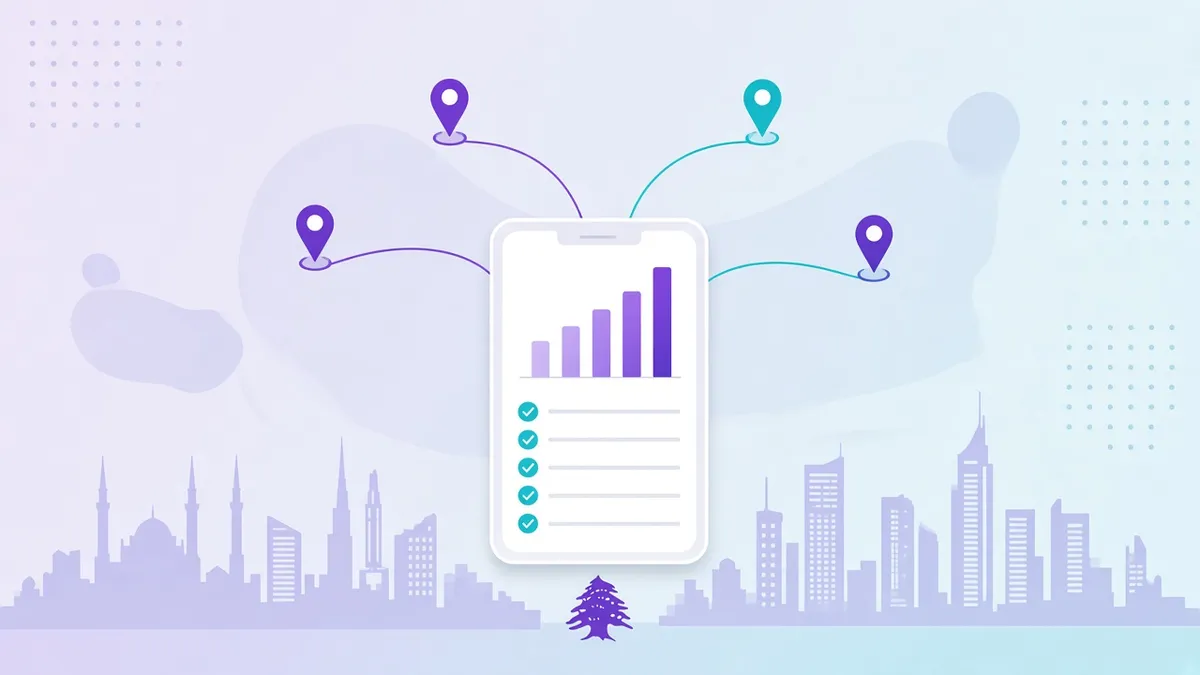
The habit that ties it together: each morning, the operations manager reviews yesterday’s misses, exceptions and scores on a cross-branch dashboard, then calls the one or two people who need a call. Ten minutes replaces an afternoon of driving between branches to find out what happened.
8. Build the playbook you’ll take to the Gulf
If a Riyadh or Dubai branch is in your plans, every template you build now becomes the brand standard you ship. Groups that expand with a working digital operations layer open new markets faster, hold standards from day one and give their partners and franchisees verifiable evidence of execution. Our Middle East & GCC page covers cross-border operations in more detail.
What this looks like after 90 days
Groups that follow this sequence tend to report the same shifts:
- Fridge logs and cleaning records complete and provable, in every branch, without chasing.
- Fewer and shorter WhatsApp threads; requests tracked to completion.
- Area visits that produce comparable scores and assigned follow-ups.
- Several manager hours a week recovered from reconciliation and driving.
- A documented standard that survives staff turnover and travels to new branches and new countries.
Built in Beirut, for this market
Opscale is built by a team of former operators in Beirut, with pricing in USD and support in English and Arabic. See how it’s used by Lebanese operators, explore restaurant operations in depth, or book a demo and we’ll walk through your branches together.